Saturday, 29 January 2011

Comics Journal Review and Laydeez do Comics

Good review of Psychiatric Tales at The Comics Journal.

I was at the Laydeez Do Comics event in London this past Monday, and you can read all about that here.

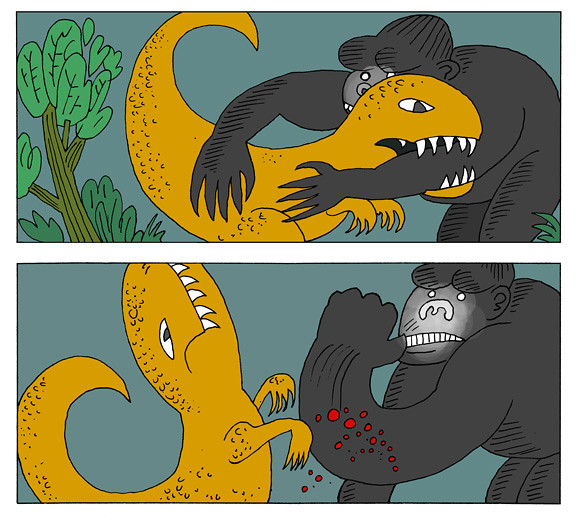
Kong versus dinosaur fight from Uncle Bob on Skull Island.

kong dinosaur fight

Wednesday, 19 January 2011

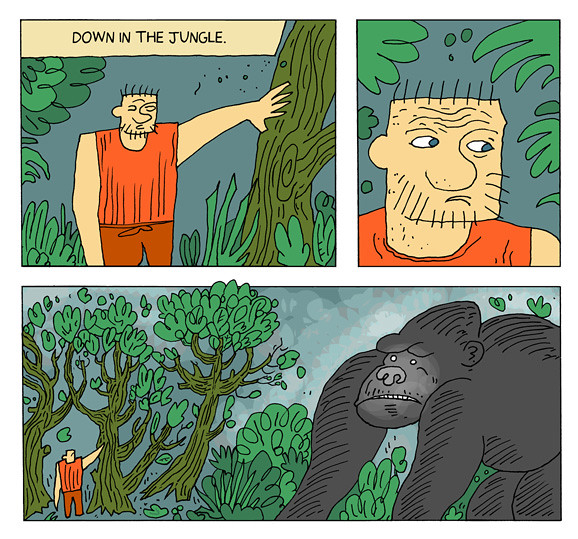
Kong

From Uncle Bob on Skull Island. Jonas Nussbaum, the shipwrecked German sailor, meets Kong.

Kong

Friday, 14 January 2011

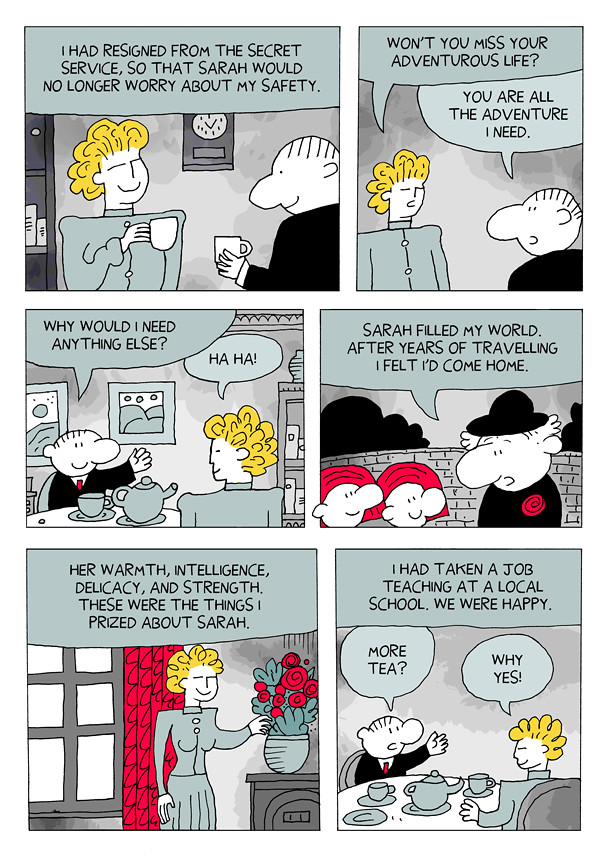
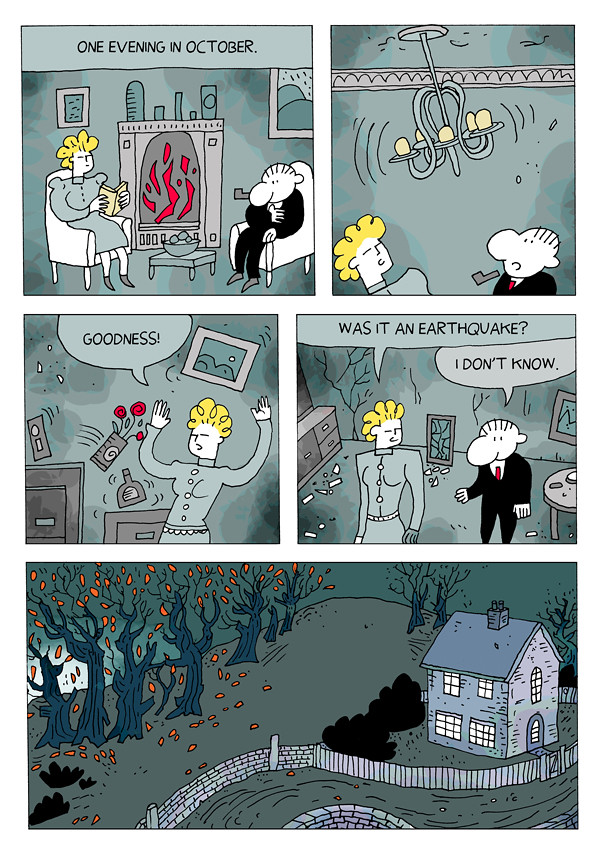
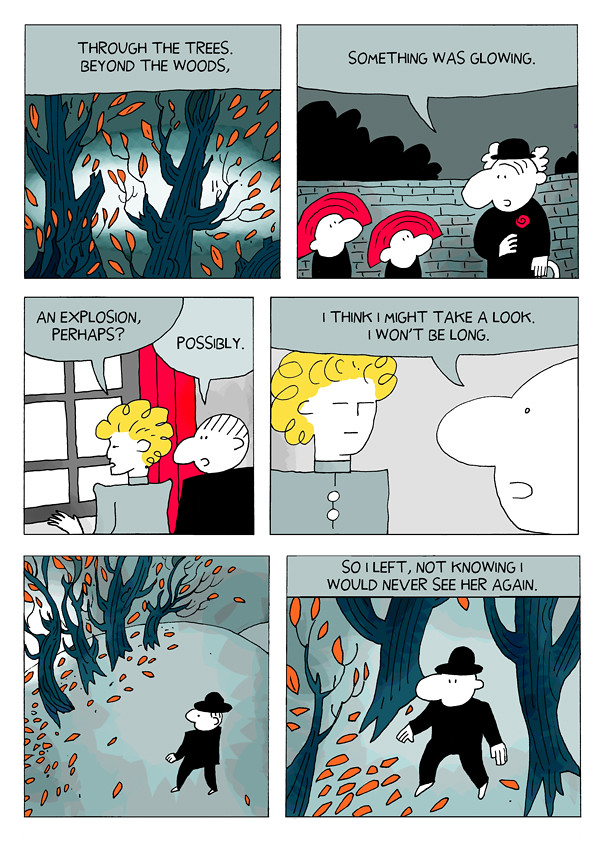
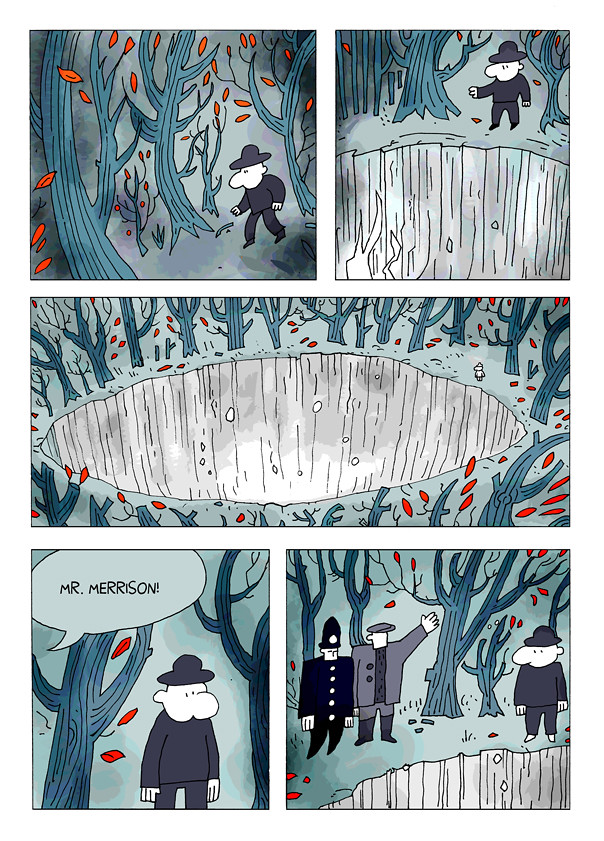
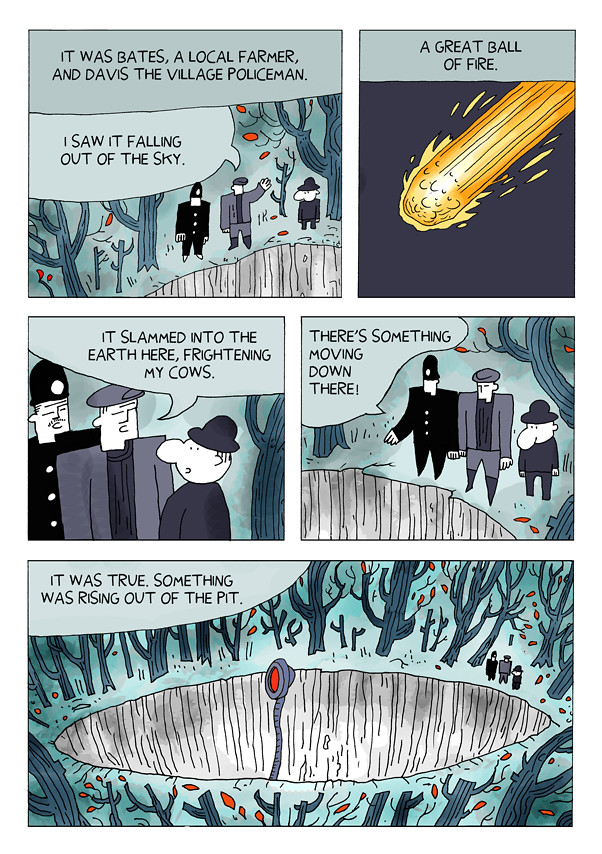
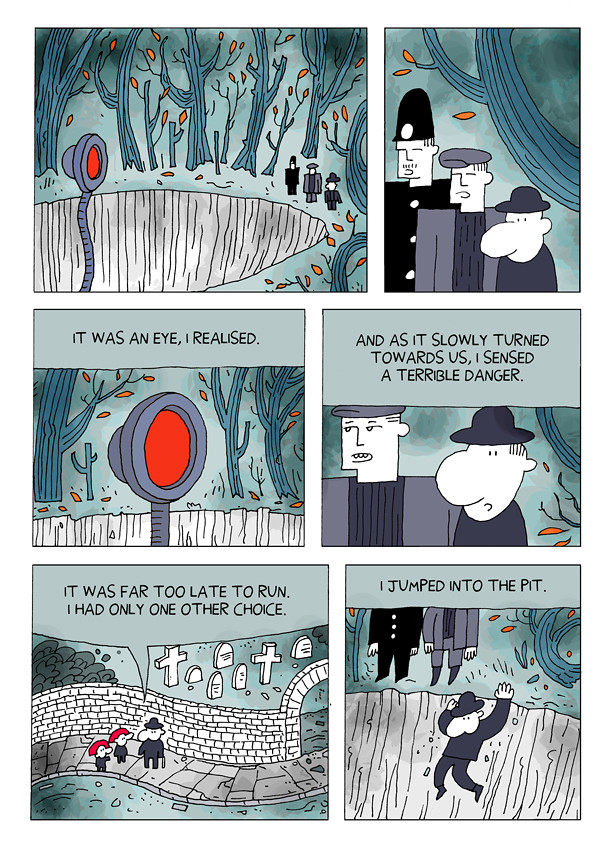
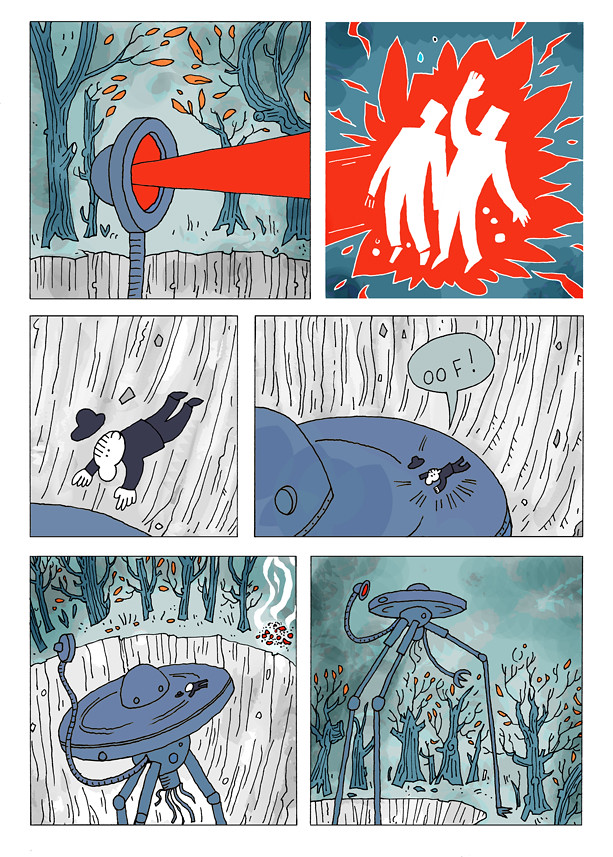
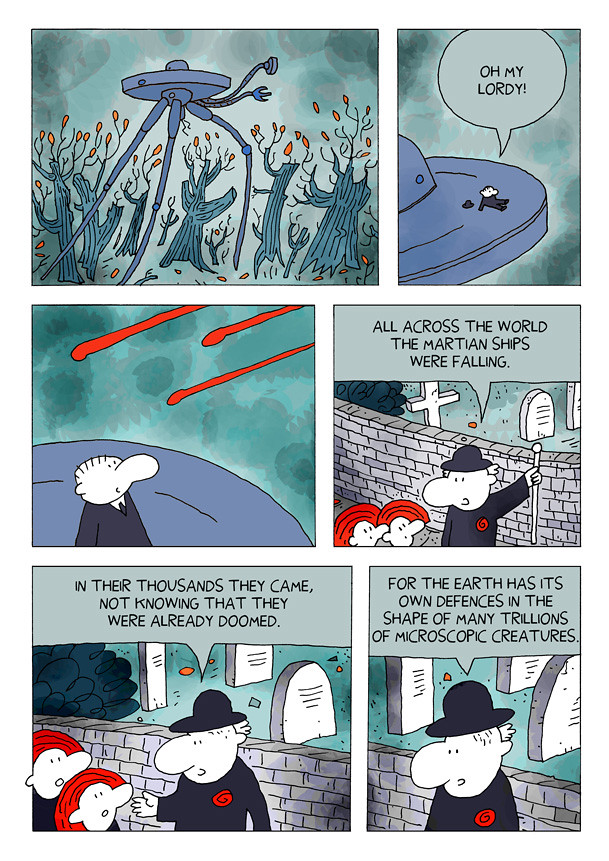
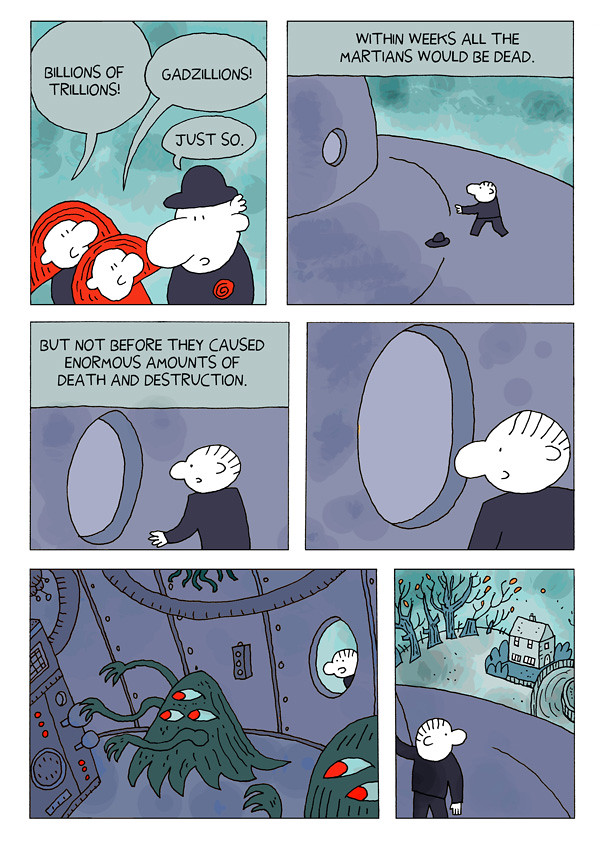
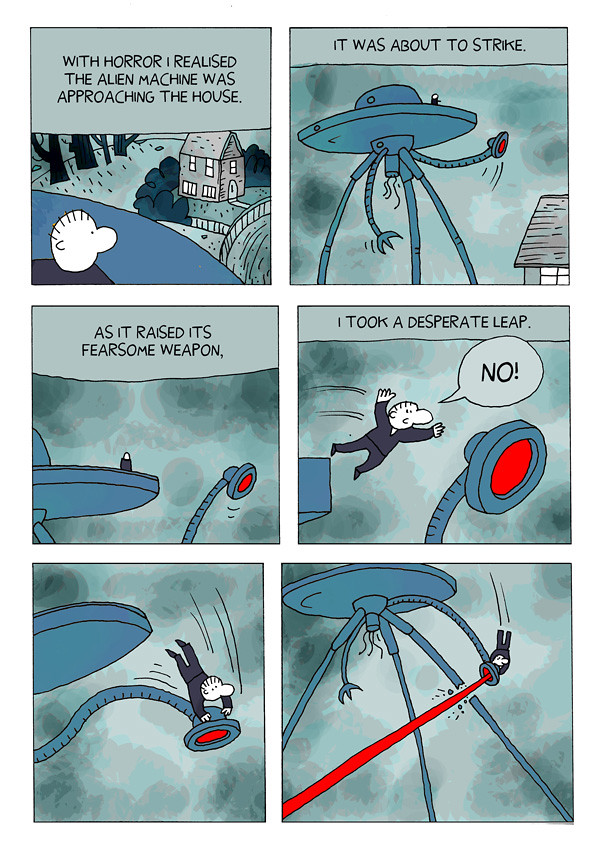
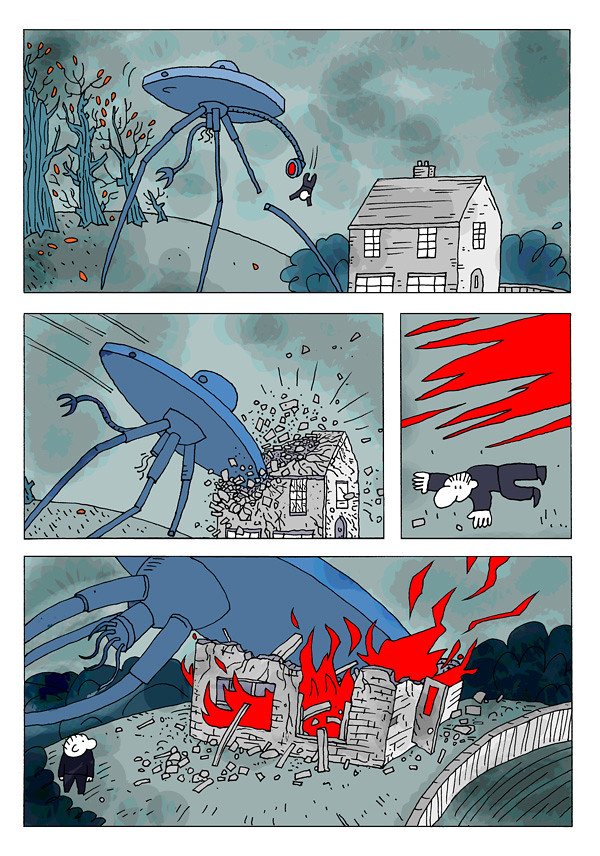
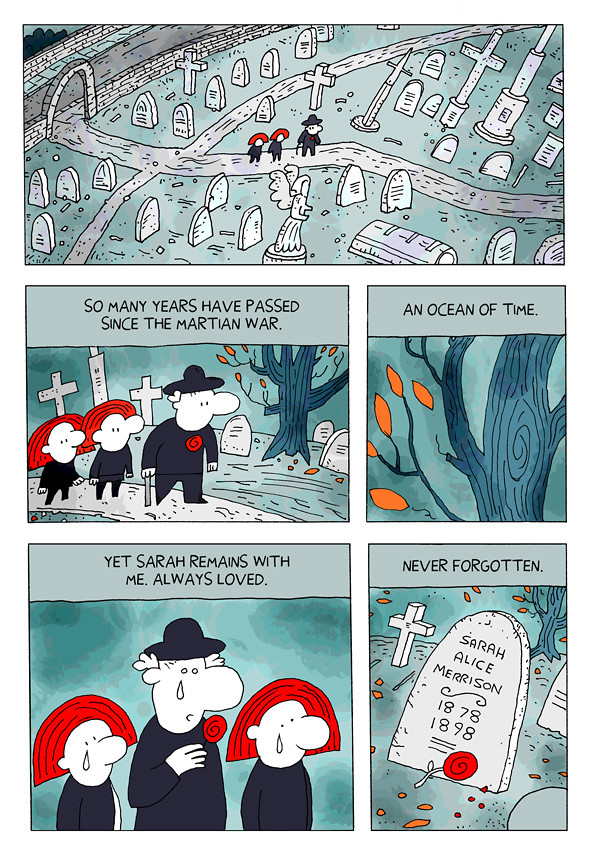
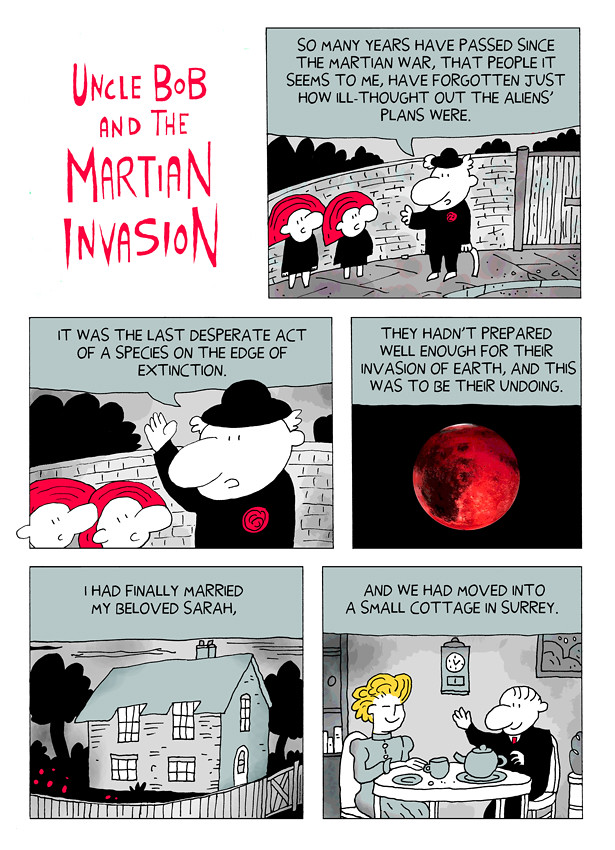
Uncle Bob And The Martian Invasion

Uncle Bob and the Martian Invasion is a chapter of the book Uncle Bob Adventures, which will be out from Blank Slate later this year.

Uncle Bob and the Martian Invasion 1

Uncle Bob and the Martian Invasion 2

Uncle Bob and the Martian Invasion 3

Uncle Bob and the Martian Invasion 4

Uncle Bob and the Martian Invasionn 5

Uncle Bob and the Martian Invasion 6

Uncle Bob and the Martian Invasion 7

Uncle Bob and the Martian Invasion 8

Uncle Bob and the Martian Invasion 9

Uncle Bob and the Martian Invasion 10

Uncle Bob and the Martian Invasion 11

Uncle Bob and the Martian Invasion 12

Uncle Bob and the Martian Invasion 13

Monday, 10 January 2011

Review in Publisher's Weekly

A fantastic review of Psychiatric Tales in the 1/10 Publishers Weekly:

“Speaking with compassion and clarity, Cunningham tells of his own struggles with severe anxiety and depression, creating a valuable tool for both those within the mental health profession and casual readers who may know someone with mental illness.”

Psychiatric Tales: Eleven Graphic Stories About Mental Illness
Darryl Cunningham, Bloomsbury, $15 (160p) ISBN 978-1-60819-278-6
In this debut book, Cunningham tells his reader right away that he has a message to impart. Having worked for years as a health care assistant in a hospital's psychiatric ward, he states his intent to counter the stigma surrounding mental illness and to represent the patients who suffer from "this most mysterious group of illnesses." The down and dirty truth about what it takes to care for dementia patients, the acts that self-harming patients are capable of, and the conundrum of bipolar disorder and schizophrenia all make for powerful, informative, and sometimes difficult reading. Cunningham's message, that "a mental illness is a brain disease just as a stroke or a brain tumor is a brain disease," is delivered in direct, no-nonsense language, while black and white drawings convey the hectic life of the disordered mind. Cunningham frequently speaks directly to sufferers, telling them that their symptoms are not their fault, that there are ways of dealing with them and simply that "you can survive." Speaking with compassion and clarity, Cunningham tells of his own struggles with severe anxiety and depression. creating a valuable tool for both those within the mental health profession and casual readers who may know someone with mental illness. (Feb.)
Thursday, 30 December 2010

Two Uncle Bob Pages

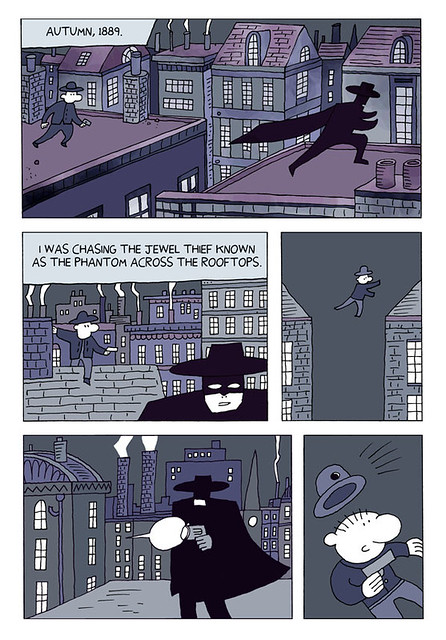
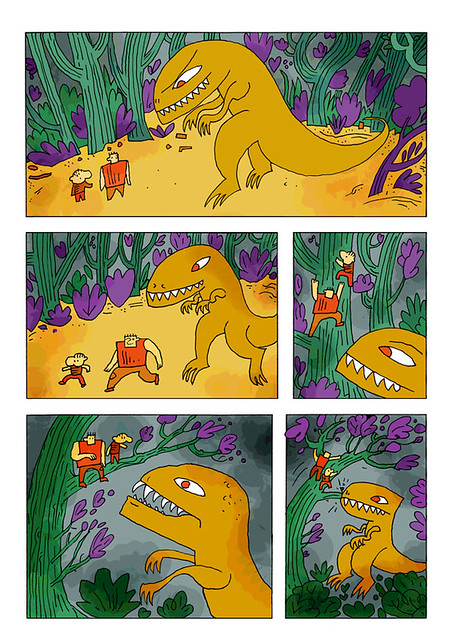
Two pages from Uncle Bob Adventures. First a page from Uncle Bob And The Phantom, and then a page from Uncle Bob On Skull Island.

2 bob phantom

4 skull island

Monday, 20 December 2010

Christmas Card Design 2010

You may want to check out an interview with me on the The Comics Bureau.

Here's a Christmas card I've designed.
Christmas card 2010

Monday, 13 December 2010

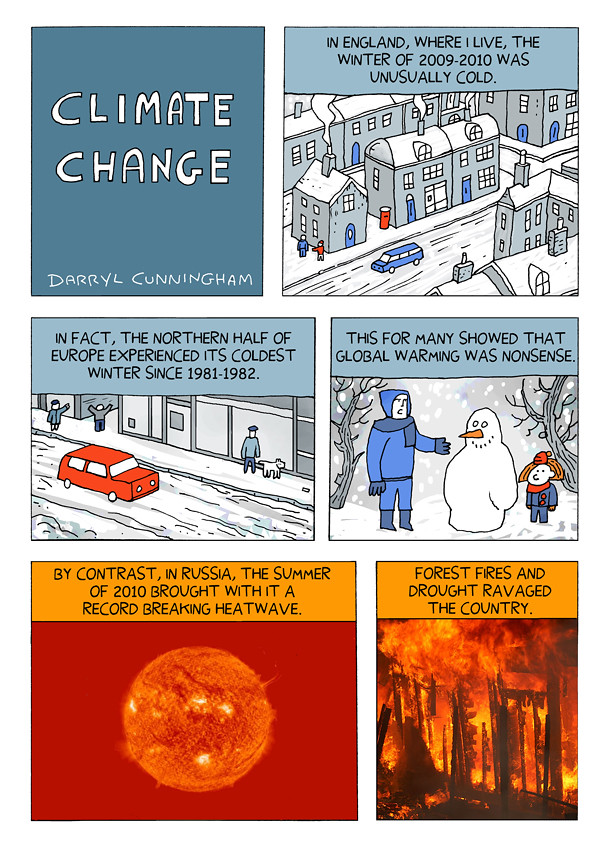
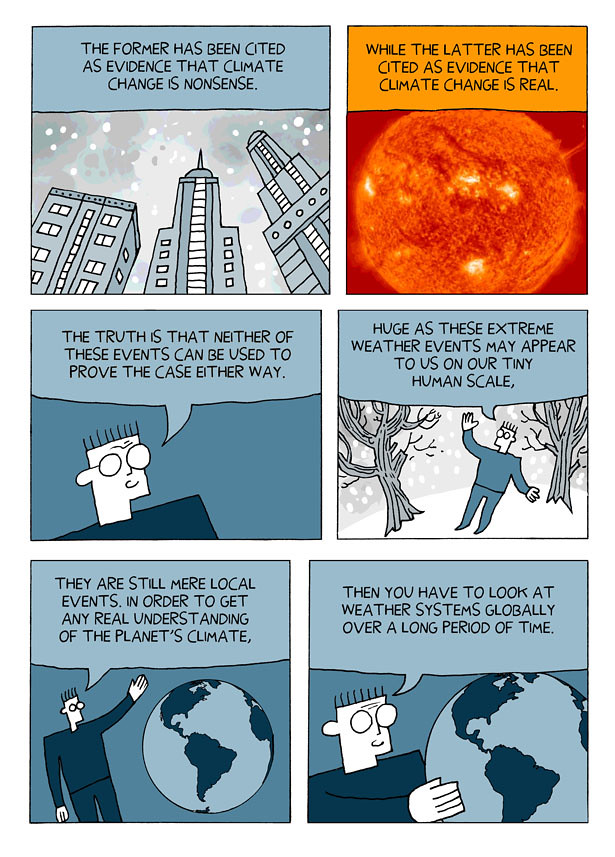
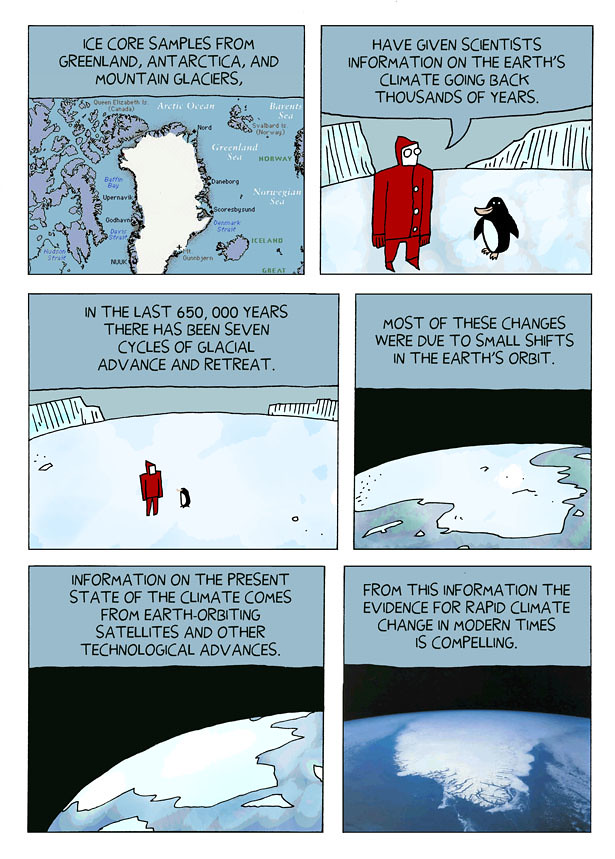
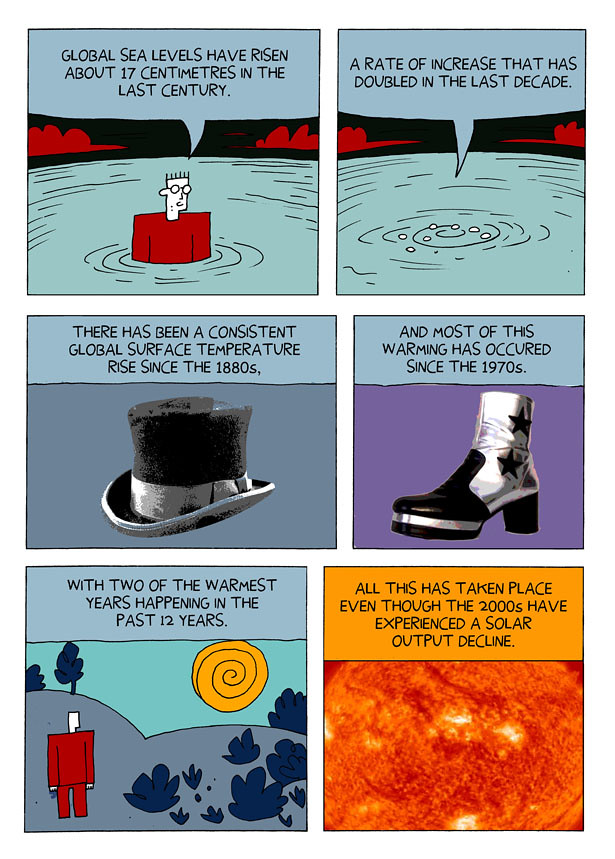
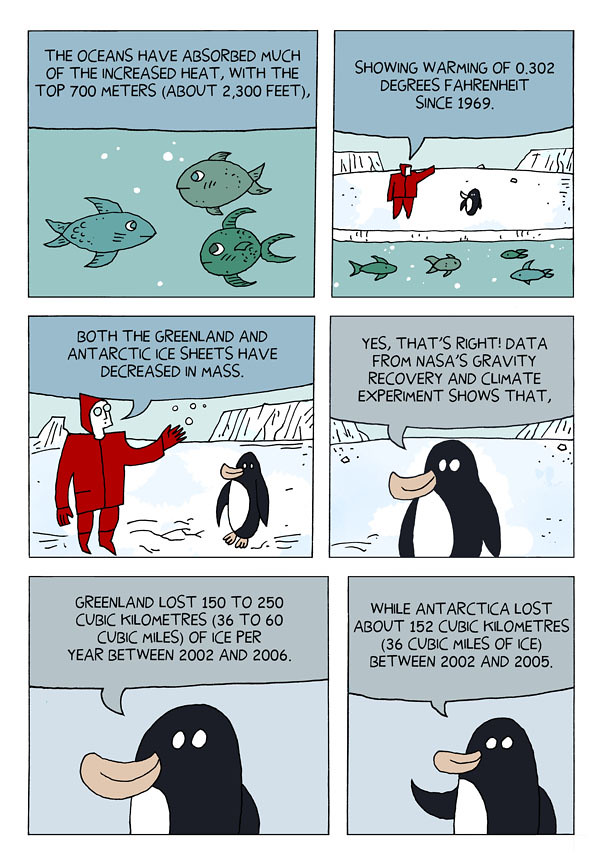
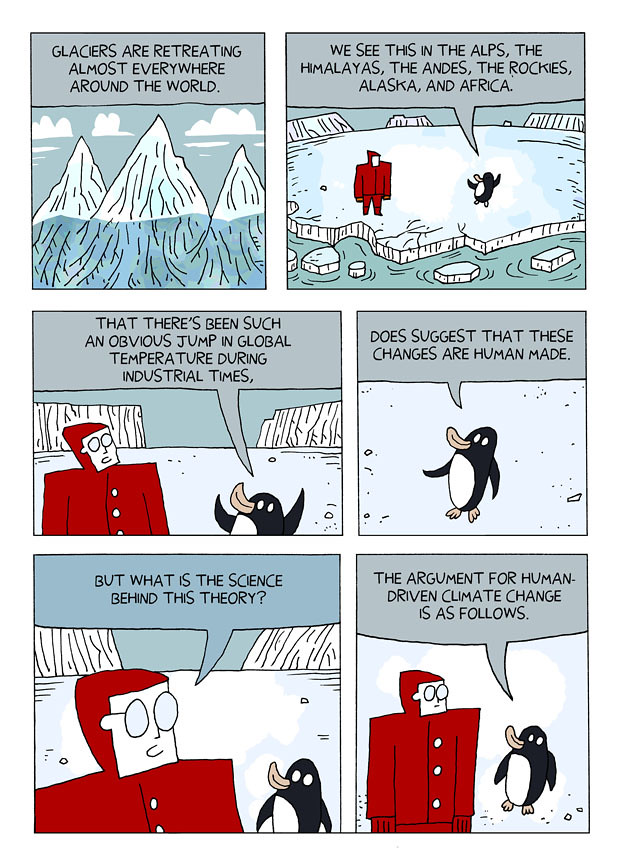
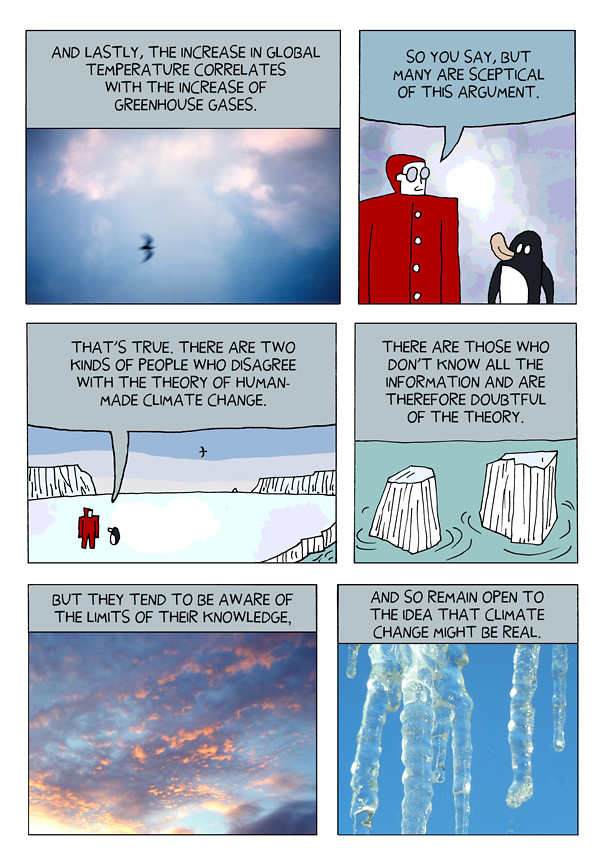
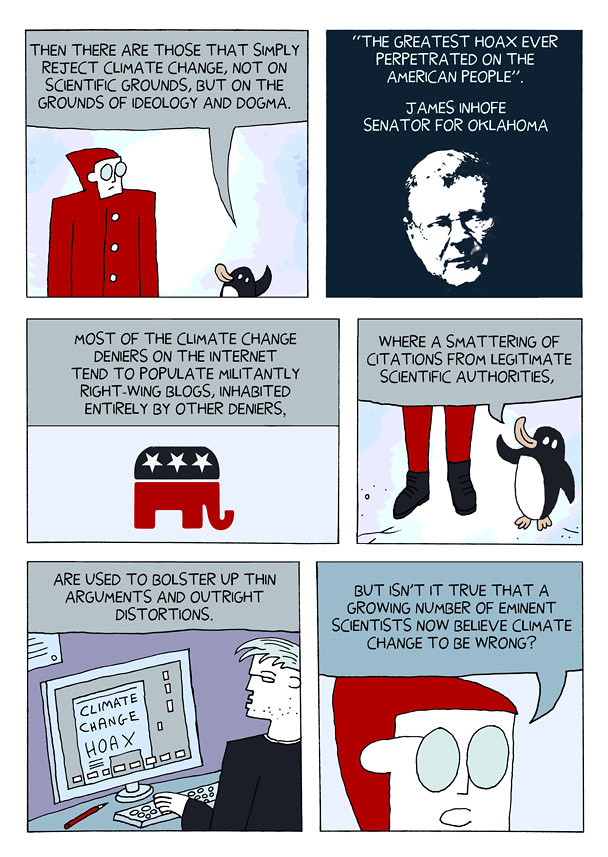
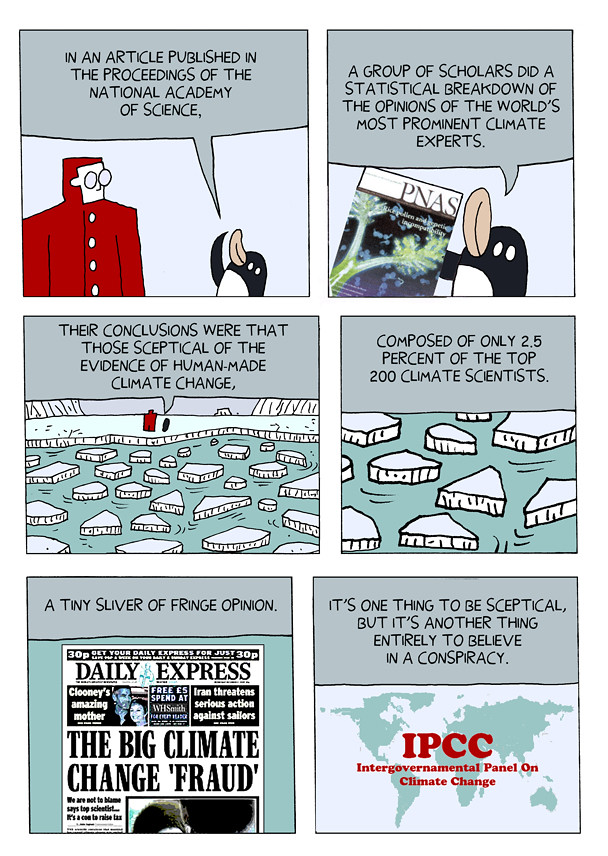
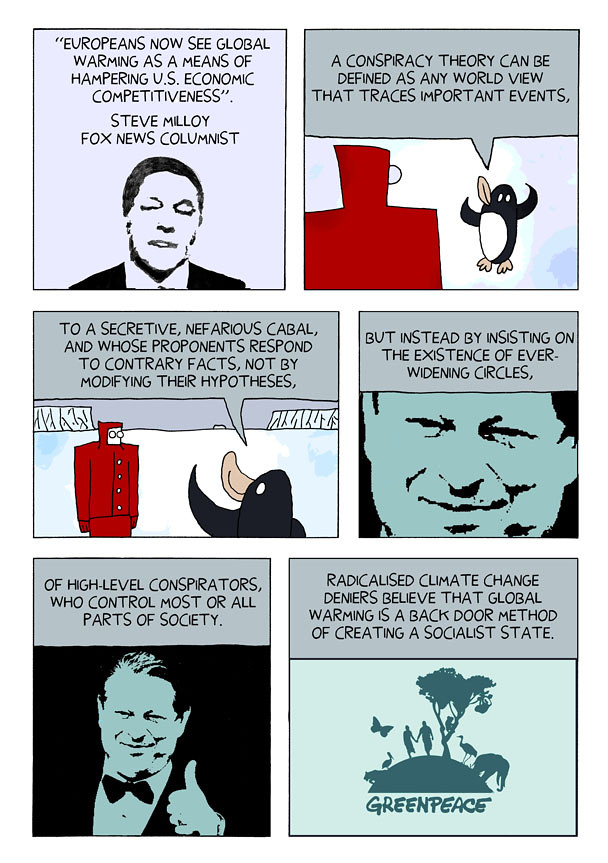
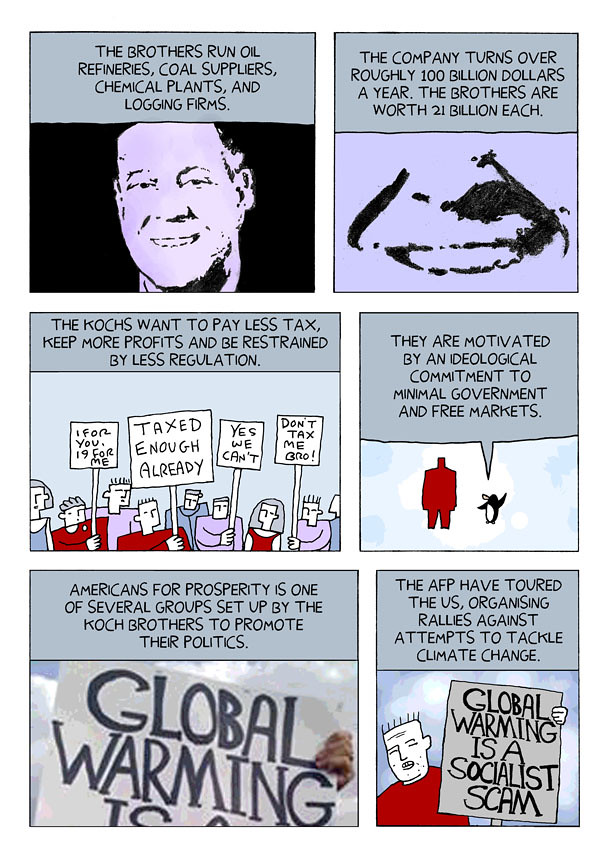
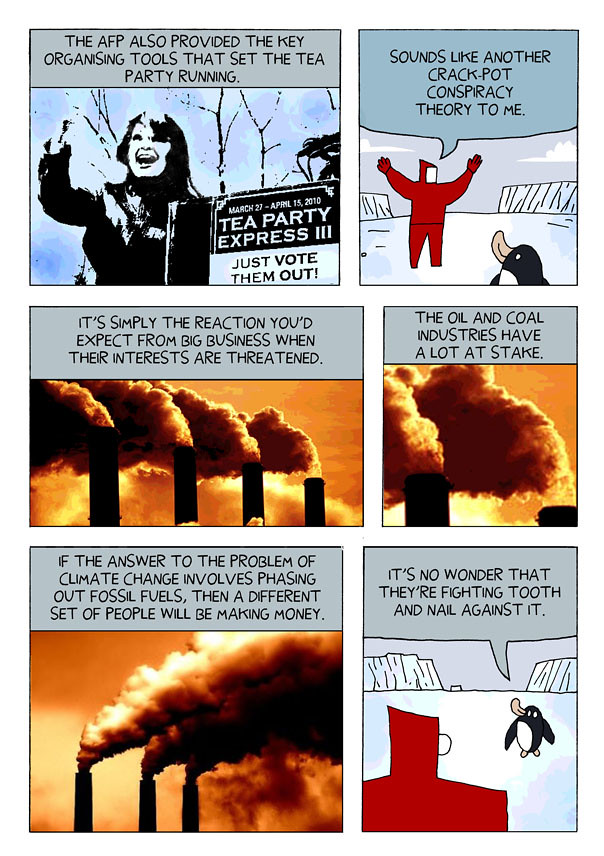
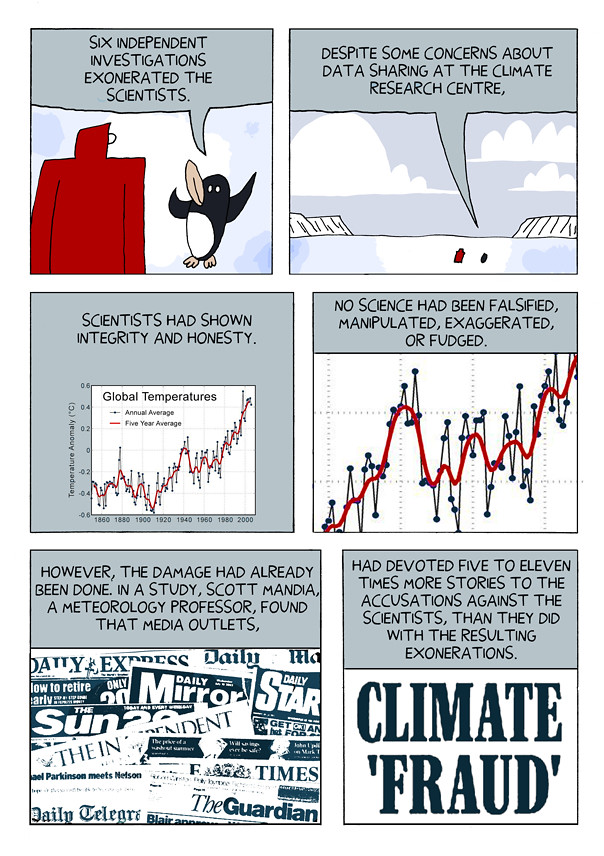
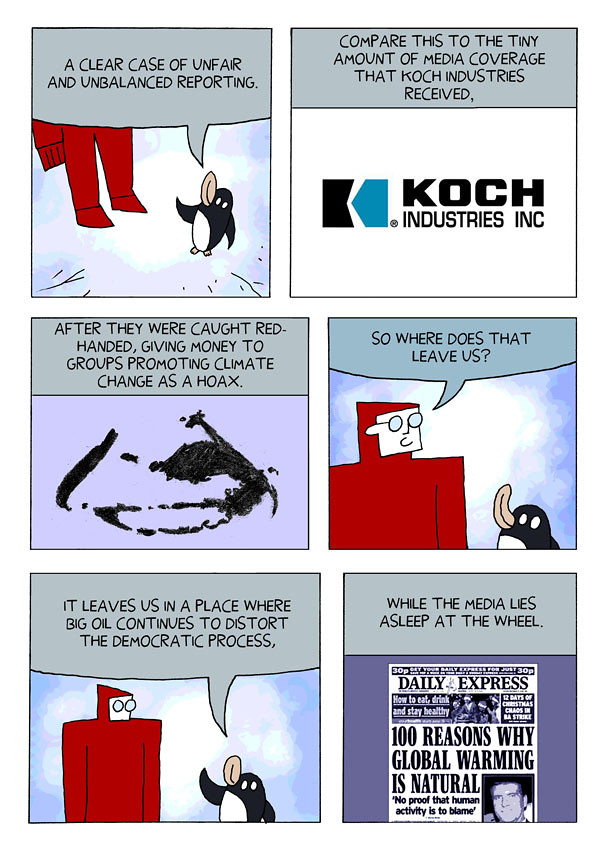
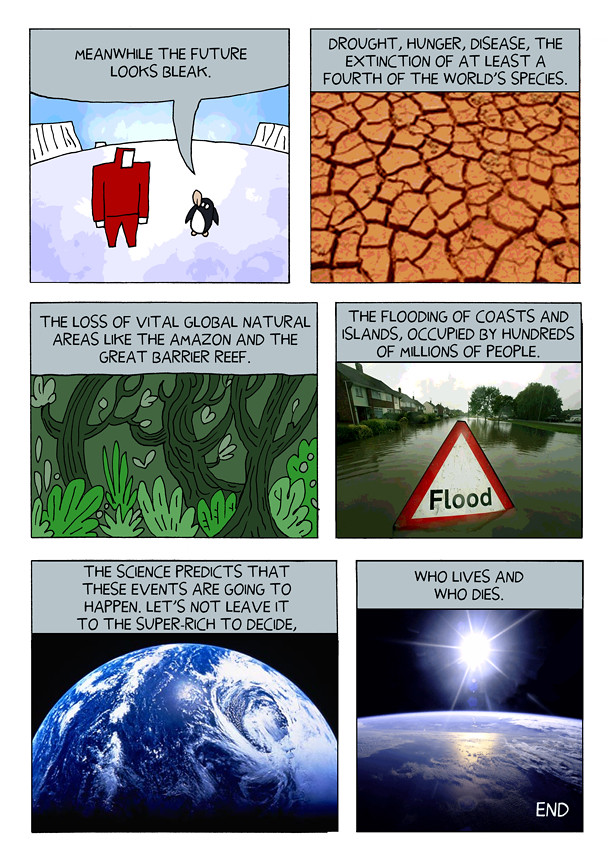
Climate Change


I intend to come back to this strip and rewrite some of the first half, in order to make the science clearer. I'm sure there will be a few spelling errors and suchlike. Feel free to point them out, but keep in mind that I've been staring at many of these pages for weeks, to the point where even the word 'and' looks funny to me. I shall be adding on references to this strip over the coming few days. Thanks to Albert the Knowledge Penguin for his help.

Note: added Jan 2012. A slightly different version of this strip will appear in my book Science Tales, out from Myriad Editions in April this year. This is a book of comic strip essays on controversial science subjects that include: chiropractic, evolution, the so-called Moon-landing hoax, the MMR/Andrew Wakefield vaxination scandal, and homeopathy.  Read all about it here.


1 climate

2 climate change

3 climate change

4 climate change

5 climate change

6 climate change

7 climate change

8 climate change

9 climate change

10 climate change

11 climate change

12 climate change

13 climate change

14 climate change

15 climate change

16 climate change

17 climate change

18 climate change

A few references. More will be posted shortly.

Superb New Yorker piece about the Koch Brothers and their involvement with the far right.

That Proceedings of the National Academy of Science paper, which I mention in the strip, on the numbers of climate researchers who believe that science points to the truth of man made climate change, compared to those researchers who don't.

Excellent book that does what it says on the tin. Merchants of Doubt: How a Handful of Scientists Obscured the Truth on Issues from Tobacco Smoke to Global Warming, by Naomi Oreskes and Erik Conway.

NASA's climate change evidence page.

Wikipeadia entry on the the Fourth Assessment Report (AR4) of the United Nations Intergovernmental Panel on Climate Change (IPCC).

Scott Mandia's research into the media's deplorable Climategate coverage.

Tuesday, 30 November 2010

Kirkus Reviews

Bloomsbury sent me the review of Psychiatric Tales from Kirkus Reviews. My first US review.

An illustrated primer on mental illness that builds to personal revelation. Despite the title, most of these chapters are not traditional tales with narrative and characters. They are, instead, explorations of various psychiatric illnesses common in the wards where Cunningham worked as a health-care assistant. In his book-length debut, the author, who created the Web comics Super Sam and John-of-the-Night and The Streets of San Diablo draws on his experience with patients diagnosed with schizophrenia, dementia, depression, bipolar disorder and other illnesses. Despite the darkness of much of the material—as reflected in the black-and-white drawings, polarities that the illustrator exploits to creative effect—the prevailing tone is one of compassion. As Cunningham explains in the introduction, this is “intended to be a stigma busting book…needed because fear and ignorance of mental illness remains widespread in society.” Most of the text is similarly straightforward, but the art is more revelatory, as it illuminates brain patterns, brain disease and psychological conditions. Yet there are flashes of deadpan humor as well, particularly in the chapter titled “Anti-Social Personality Disorder,” in which the author relates how a condition that sometimes results in criminal behavior shares traits that society generally considers normal: “Selfishness, lack of empathy, superficiality, and manipulativeness…are highly valued in the worlds of business, politics, the law, and academia.” In the chapter titled “People With Mental Illness Enrich Our Lives,” the author focuses on a variety of luminaries—from Winston Churchill and Judy Garland to Nick Drake and Brian Wilson—who have struggled with mental conditions. “How I Lived Again” provides testimony on how the artist’s own mental illness led to his interest in the subject (as well as his employment in the field) and how his art proved crucial in his recovery. The illustrations are compelling throughout, but the narrative is more powerful when it is more personal and specific.